
Go back Go back

Tooth removal

Despite the rapid advances in medical technology and modern dental treatment options, sometimes it is necessary to remove a tooth to protect oral health. Teeth that are of poor quality, terminally damaged or have the potential to cause complications are usually removed. Teeth can also be removed for orthodontic purposes.

When teeth are irreparably damaged or malformed, soft plaque builds up around them, inflammation of the surrounding tissues, abscesses, cysts, and decay of adjacent teeth can occur. Damaged teeth also have aesthetic consequences, such as discolouration and bad breath. An irreparably decayed tooth that has not been removed not only poses a risk to the oral cavity, but also to the health of the whole body, which can be affected by an infection caused by the decayed tooth.

Dr Mindaugas Pranskūnas professionally performs simple and complex tooth removal under local anaesthesia or sedation. In each case, the doctor discusses with the patient individually whether the tooth needs to be removed.
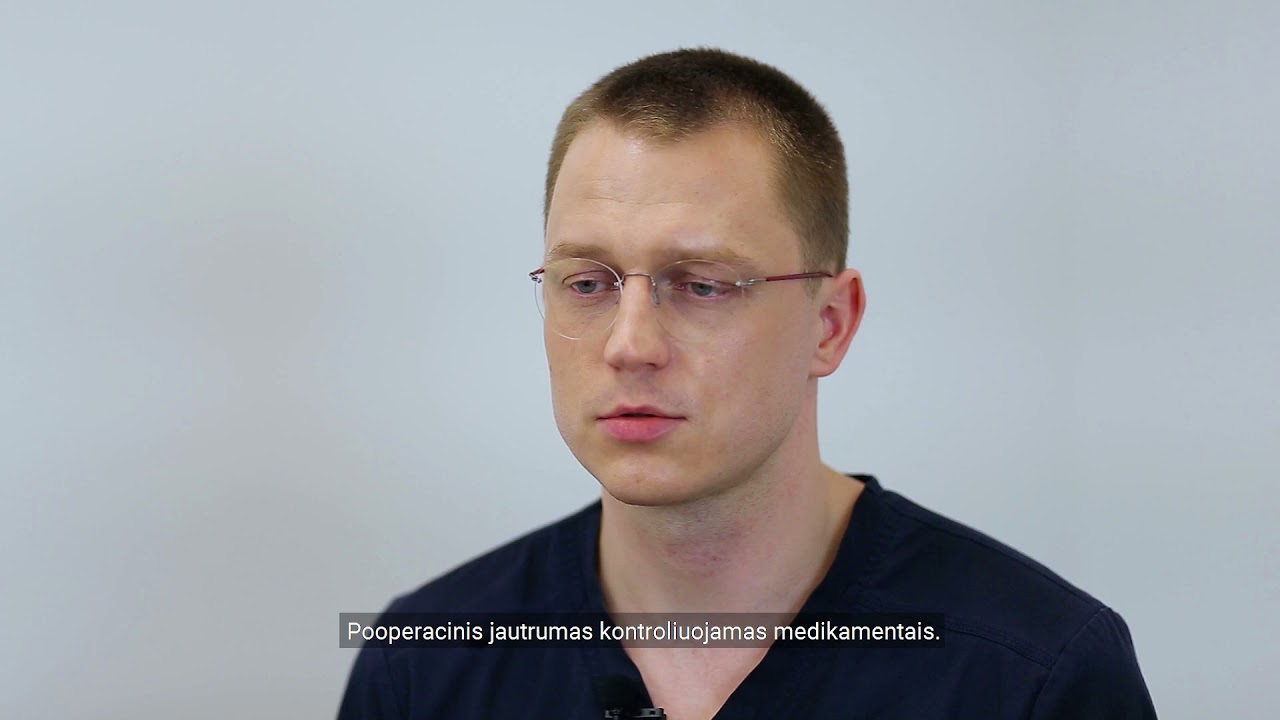
image play

The procedure for tooth removal

Before the tooth removal procedure, a specialist consultation is required, which includes an examination of the tooth and an X-ray to assess the condition of the tooth and the anatomical structures of the surrounding jaw. If the decision is made to remove the tooth, the patient is informed about the course of the surgery, the possible individual risks, and recommendations for the post-procedural period.

Local anaesthesia is routinely applied during the procedure, so that the patient does not feel any pain during the procedure. For patients who are particularly fearful or who are planning a complex and lengthy procedure, the tooth removal may be performed under sedation (light sedation). Sedation is carried out by an anaesthetist who monitors the patient and ensures his/her safety throughout the operation. This type of anaesthesia allows the patient to relax completely and feel calm and comfortable during the procedure.

Once the anaesthesia has worn off, the tooth is removed. It can be simple or complex. A simple extraction takes about 5-10 minutes, while a complex extraction takes about half an hour.

What result to expect

Removing a terminally damaged or defective tooth does not improve the condition of the adjacent teeth. The removal of the tooth results in preserved oral and overall body health.

Dr Mindaugas Pranskūnas ensures that the tooth extraction procedure, regardless of its complexity, will be carried out painlessly, safely and with maximum comfort for the patient.

Frequently asked questions about the procedures

Is tooth removal necessary?

It’s understandable that tooth removal is an unpleasant procedure, but we only use it when it’s not possible to save the tooth, so it’s the only way. Don’t worry: thanks to anaesthesia, you won’t feel any pain during the procedure!

How long will the procedure take?

Many people think of tooth removal as a time-consuming surgical procedure. In fact, this is a myth. The average time for this procedure is just 30 minutes, which is shorter than a tooth filling!

How will I feel after a tooth removal?

You will be able to get back to your normal routine immediately after the procedure. However, the wound may bleed slightly for a while after the removal procedure. This is completely normal. If you feel any soreness or pain in the first few days after the tooth removal, take the medication prescribed by your doctor.