
Go back Go back

Dental implants

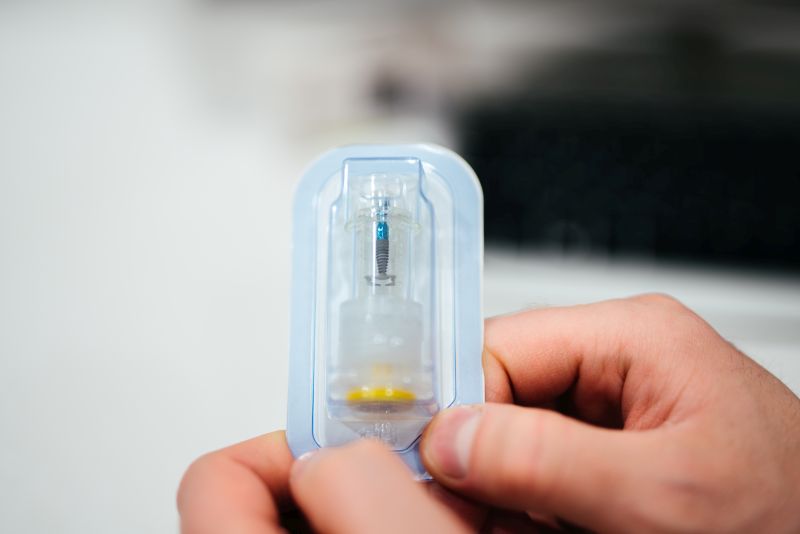
Dental implants are the most advanced and effective technology for restoring lost teeth. The restoration of teeth is done with the help of implants. Dental implants are extremely strong screws made of titanium, zirconium or an alloy of these metals that replace the root of the tooth.

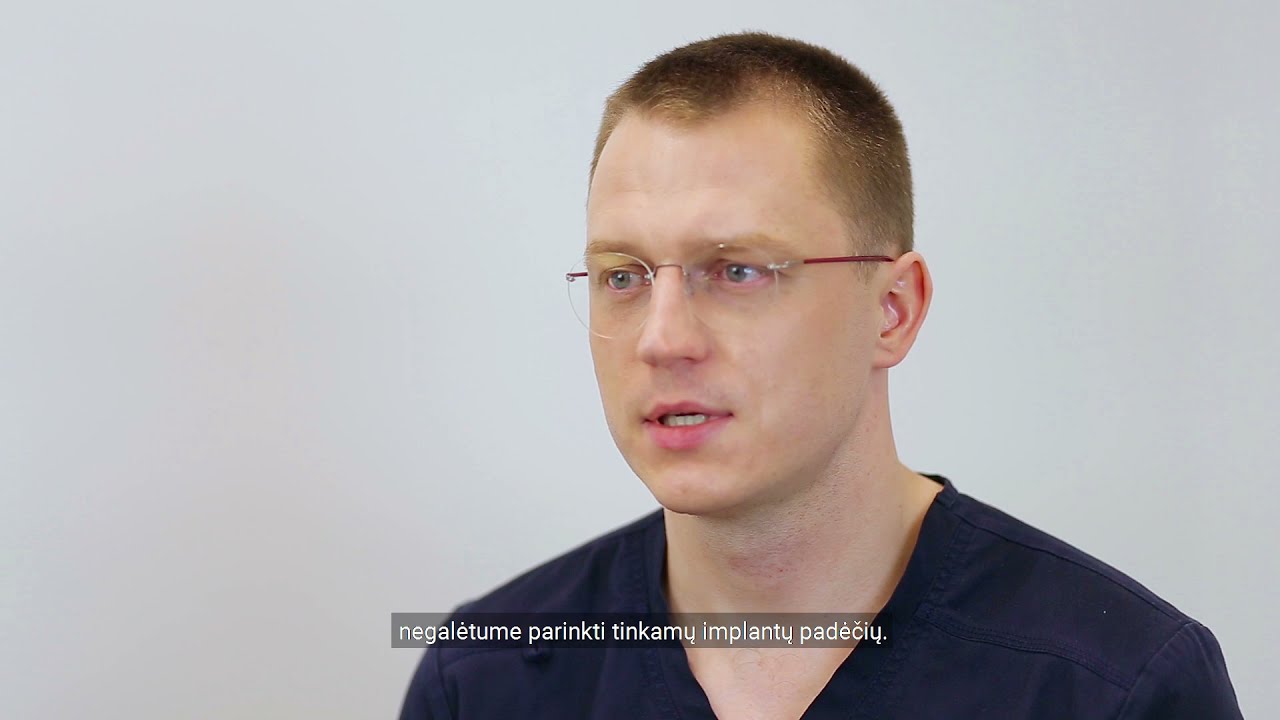
According to Dr Mindaugas Pranskūnas, if you lose a tooth, you should seek restoration as soon as possible, as long delays can unbalance the whole body. The longer the delay, the more complex and costly the treatment later on. The loss of a tooth is primarily a result of impaired chewing function, and poorly chewed food can lead to gastrointestinal disorders.

When molars are lost and their restoration is delayed, they can lead to misalignment of nearby teeth, a lowered bite, hollowed cheeks, wrinkles around the lips, and even changes in the shape of the face. Misaligned teeth are harder to clean, more prone to plaque and bacteria build-up, and increase the risk of tooth decay and the diseases it causes. The increased load on the remaining teeth can cause them to wear down faster or even break. Without stimulation, the jawbone starts to lose its strength, which can lead to the need for a bone grafting procedure if you decide to restore the tooth later. Lost teeth can also lead to scrubbing or other speech problems. Failure to restore teeth in time leads to a steady decline in quality of life. To avoid these consequences, it is ideal to have implants within 6-12 months of tooth loss.
image

How the procedure is performed

Before the dental implant procedure, a consultation is necessary to discuss the patient’s health condition, to find out if he or she has any comorbidities, allergies, etc. Diagnostic tests are also carried out: the upper and lower jaws are scanned with a CT scanner, and digital impressions of the teeth are taken with an intraoral scanner. All the data is analysed, presented to the patient, and a discussion is held on what treatment can be given and what result to expect. Once the decision to have dental implants has been made, a personalised treatment plan is drawn up and the exact course of treatment is planned.

The first stage of dental implant treatment is the threading of the implant. If necessary, this is preceded by jawbone augmentation, sinus floor elevation or other procedures to restore the bone and soft tissue structure. The threading of a single implant takes about 30 minutes. Local anaesthesia is usually used during the implant procedure and is sufficient to prevent pain and discomfort. However, sedation (light sleep) can be used if the patient wishes or for longer procedures.

image
play

What tests are required before dental implant surgery?

The implant has to heal and grow into the jawbone over a period of time, which usually takes 3-6 months. During this time, a temporary tooth is attached to the dental implant, which is then replaced by a permanent one. This stage is called prosthetics.

Implantation options

image play

After the loss of one tooth

After the loss of one tooth, you can have a single-moment or a traditional implant placement. With a single-moment implant, a tooth is removed in a single procedure and immediately replaced with an implant on which a temporary crown is fixed. In a traditional implant placement, the implant is threaded into the site of the lost tooth once the jawbone has fully healed from the tooth extraction. In this case, the threaded implant and bone heal over a longer period of time, around 3 months.

image play

After the loss of several teeth

If several teeth are lost in a row, the gap can be filled by placing 2 implants, which perfectly support a 3-teeth denture.

image play

After the loss of all your teeth

To restore the entire dental arch and have non-removable dentures, the minimum number of implants is 4. For maximum aesthetics and functional results, the teeth are fixed on 6-8 implants with individual dental bridge connections.

Post-procedural period

After a dental implant placement, the operated area may be swollen and it is recommended to keep it cold. It is also advisable to avoid physical activity for the first few days after the procedure, to avoid overheating and colds, and to take the antibiotics prescribed by your doctor and, if necessary, painkillers.

Implant-supported prosthetics

For patients who have lost most or all of their teeth, implant-retained dentures are available to restore them. Depending on the treatment method chosen, between 2 and 8 implants can be threaded to fix one jaw. The most advanced method of restoring teeth at the moment is the all on 4″ technology, where the denture is fixed on 4 implants. This method allows for fast, smooth and reliable creation of strong, aesthetic-looking teeth so that the patient can enjoy a quality life again.

What kind of result to expect

Restoring teeth with implants or implant-supported dentures not only restores the extremely natural appearance of the restored teeth, but also fully restores chewing function. Professionally done dental implants are a long-lasting solution, but you should remember to take good care of them, to have a professional oral hygiene twice a year and to visit your dentist regularly for a preventive check-up.

The progress, success and longevity of dental implants depend to a large extent on the experience and professionalism of the doctor who performs the procedure and the choice of reliable implants. Dr Mindaugas Pranskūnas is constantly gaining knowledge and is actively interested in implant innovations, which is why he is able to offer his patients not only high quality implants with high adhesion rates, but also the most modern treatment methods and the highest quality long-lasting restoration.

Frequently asked questions about the procedures

Is it safe?

Modern dental implants are made of biocompatible materials that are well accepted by the body and do not cause any adverse reactions in the mouth. The reliability of the implants is proven by thousands of successful patient experiences worldwide and a lifetime guarantee.

Will the implantation process be long and painful?

The procedure will be under anaesthesia, so you won’t feel any pain. The average length of the implantation is one hour, so it won’t take long. Forget about any discomfort and become part of another success story!

How should implants be taken care of?

Careful care of your new teeth is really important for a lifetime of enjoyment from your implants. Take care of your implants as you would with your natural teeth and visit your dentist regularly for preventive check-ups. That’s it!